

Beryl Family

The Beryl Family: Nature's Most Elegant Gemstones
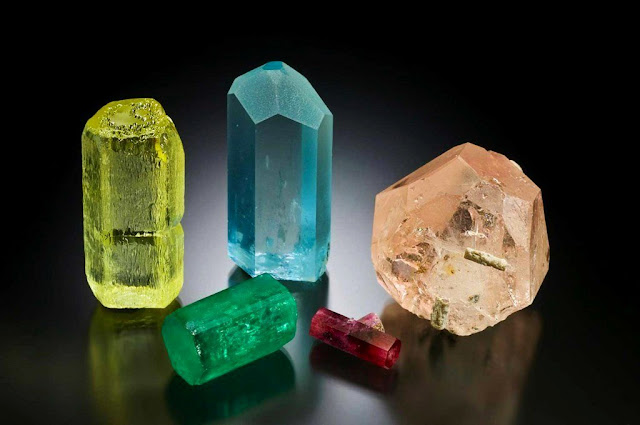
The Beryl family is one of the most important and fascinating groups of gemstones in the world. From the rich green of Emerald to the tranquil blue of Aquamarine and the delicate pink of Morganite, these gemstones all belong to the same mineral species despite their remarkably different appearances.
For centuries, Beryl gemstones have been admired for their beauty, durability, and rarity. Today, they continue to be among the most treasured gemstones in fine jewelry.
What Is Beryl?
Beryl is a beryllium aluminum cyclosilicate with the chemical formula Be₃Al₂Si₆O₁₈. It has a hardness of 7.5–8 on the Mohs scale, making it an excellent choice for everyday jewelry.
Pure beryl is naturally colorless. However, tiny amounts of trace elements such as chromium, vanadium, iron, and manganese create the beautiful range of colors that distinguish the various members of the Beryl family.

Why Is the Beryl Family So Special?
Few gemstone families display such extraordinary diversity while sharing the same crystal structure.
The vivid green Emerald, ocean-blue Aquamarine, romantic pink Morganite, golden Heliodor, and colorless Goshenite are all varieties of Beryl. Their differences arise almost entirely from trace elements present during crystal formation deep within the Earth.
This remarkable combination of beauty, durability, and color diversity has made Beryl one of the world's most celebrated gemstone families.
Major Varieties of Beryl
1. Emerald
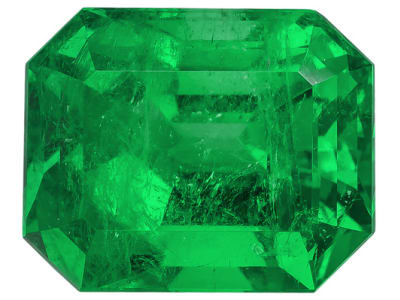
Known for its rich green color, Emerald is the most famous and valuable member of the Beryl family. Its color is produced primarily by chromium and sometimes vanadium.
Unlike many other gemstones, Emerald is valued more for its exceptional color than for flawless clarity. Most natural Emeralds contain characteristic inclusions, traditionally known as jardin ("garden" in French), which are accepted as part of their natural beauty.
Emerald is the Birthstone for May and the traditional gemstone for the 20th and 35th wedding anniversaries.
2. Aquamarine
Aquamarine ranges from delicate sky blue to deep sea blue-green, with its color produced by iron.
Its name comes from the Latin aqua marina, meaning "seawater," reflecting the gemstone's serene ocean-like appearance.
Aquamarine is the Birthstone for March and symbolizes tranquility, clarity, and harmony.

3. Morganite
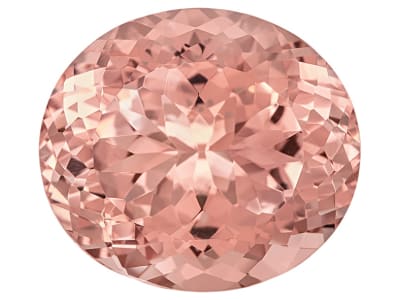
Morganite is admired for its soft pink to peach colors, created by manganese.
Named after the American financier and gem collector J. P. Morgan, Morganite has become one of the most popular gemstones for modern engagement rings thanks to its romantic color and excellent transparency.
4. Heliodor - Golden Beryl
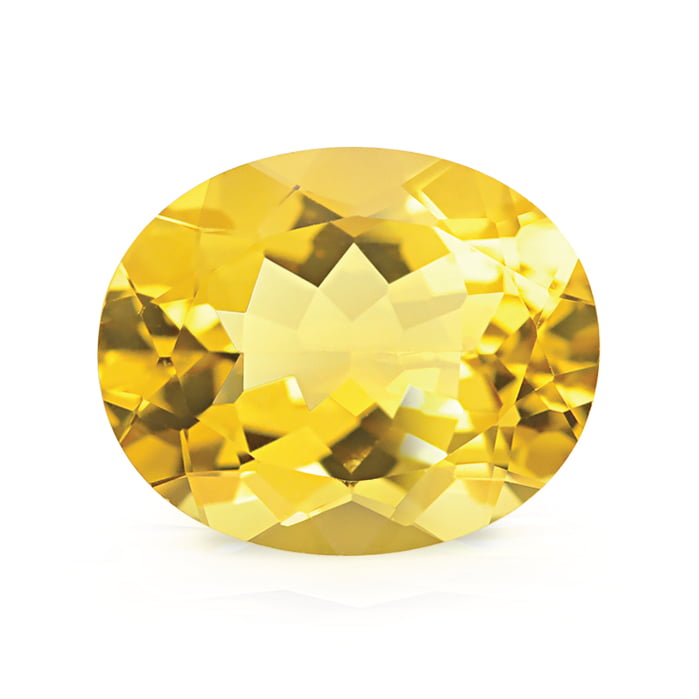
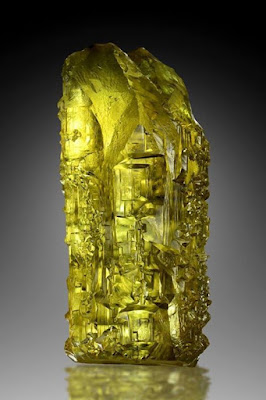
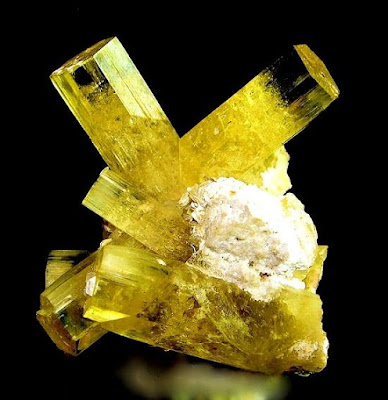
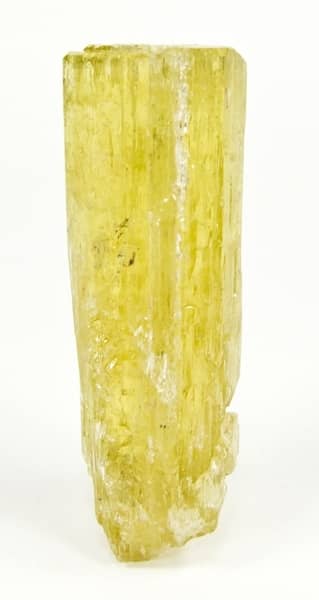
Heliodor displays beautiful golden yellow to greenish-yellow hues produced by iron.
Its name comes from the Greek words meaning "gift of the sun," reflecting its warm golden color. Heliodor is appreciated for its excellent clarity, brilliance, and cheerful appearance.
5. Goshenite (Colorless Beryl)
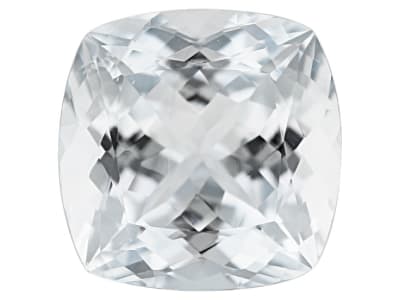
Goshenite is the purest form of Beryl, completely free from color-causing impurities.
Although less well known than Emerald or Aquamarine, its exceptional transparency makes it an attractive collector's gemstone and an important member of the Beryl family.
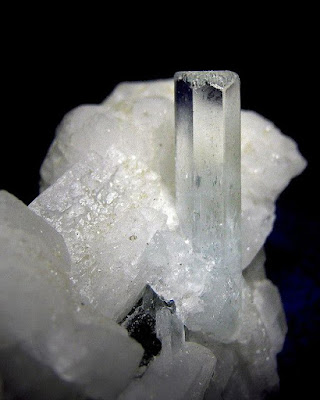
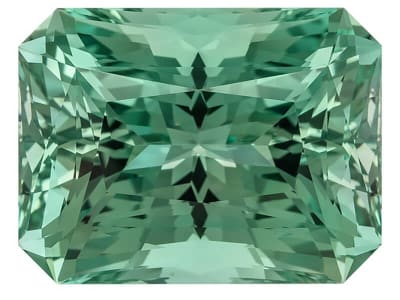
6. Green Beryl
Green Beryl owes its lighter green color to iron rather than chromium or vanadium.
Because of its softer color and greater transparency, Green Beryl offers an attractive alternative to Emerald while remaining part of the same gemstone family.

7. Red Beryl (Bixbite)
Red Beryl, with the trade name Bixbite, is an extremely rare variety of beryl that is red due to trace amounts of manganese. Bixbite is named after its first discoverer Maynard Bixby at the Thomas Range, Juab County, Utah, USA in 1904.

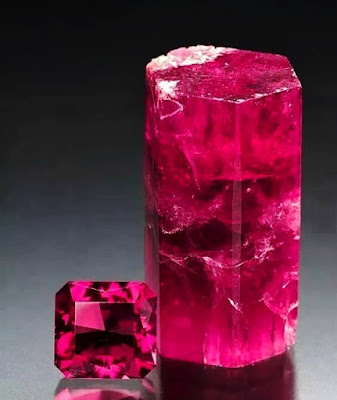
Red Beryl Crystal-Gemstone, from Wah Wah Mountains Beaver
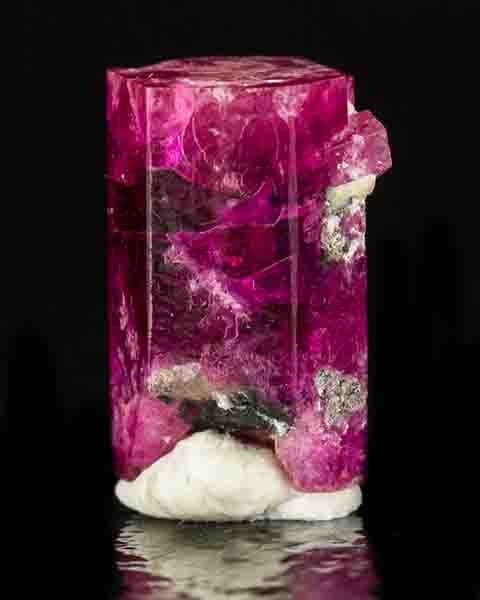
Red Beryl Crystals from Utah. Credit: Treasure Mountain Mining
5. Maxixe Beryl & Maxixe-type Beryl
- Color: Intense blue, often compared to the color of the sea; however, this color is unstable and fades with exposure to light.
- Significance: Although beautiful, Maxixe's color instability makes it less valuable for jewelry. It's more of interest to collectors and scientists.
- Properties: Requires special storage away from light to maintain its color.
Source: These gemstones were first found in 1917 in Minas Gerais, Brazil. Maxixe Beryl has also been found in Madagascar.
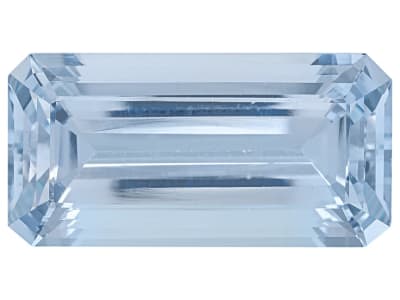
Its color fades to white when exposed to sunlight or heat treatment, although the color will return with irradiation.

Natural Maxixe Blue Beryl
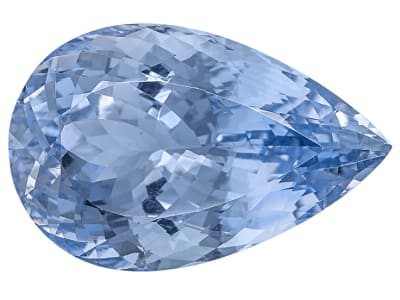
9. Cat's Eye Beryl - Chatoyant Beryl
Beryl sometimes contains a fine silky structure that creates the cat's eye optical effect - the Cat's eye, stars, and light rays in unique beryl. Emerald, Aquamarine, and Golden Beryl have the potential to find stones with the highest Cat's eye optical effect.
- Color: Varies, but the effect comes from inclusions creating a cat's eye or star effect.
- Significance: The chatoyancy adds a unique optical phenomenon to beryl varieties.
- Properties: The cat's eye or star effect is seen when cut en cabochon, enhancing the gem's appeal.
- Sources: Noted in various locations where beryl is mined, with specific effects seen in stones from Brazil.
Source: Ilmenite inclusions in pale green Aquamarine mined from Gouvernador Valadares, Brazil create a brown color for the stone and cause a metallic sheen effect. When a Cat's eye Aquamarine is faceted cabochon, it will create a star effect - star effect.
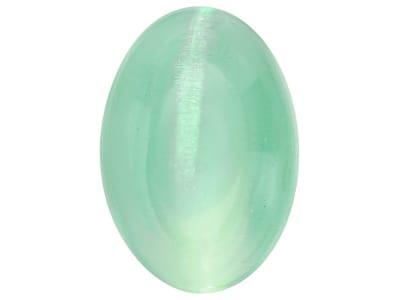
The Cat's Eye Beryl
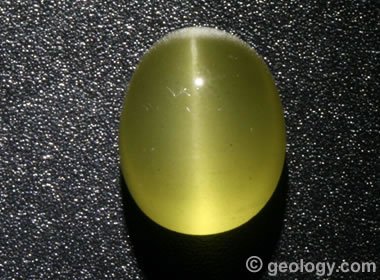
The Cat's Eye Golden Beryl

Six rayed Star Emerald – Photo courtesy of GIA educational materials
Each variety of beryl is unique due to its chemical composition, the presence of trace elements, and the conditions under which it forms, making beryl one of the most fascinating minerals in the gemstone world.
Source:
Leave a comment