

Blue & Fancy Sapphire

Sapphire: A World of Color Beyond Blue Sapphire
When most people hear the word "Sapphire", they immediately picture a deep blue gemstone.
This association is understandable. For centuries, Blue Sapphire has been the most famous and widely admired variety of sapphire, inspiring countless royal jewels, engagement rings, and treasured heirlooms.
Yet from a gemological perspective, this familiar image tells only part of the story.
The world of Sapphire is far more colorful than most people realize.
Understanding Corundum
Before exploring Sapphire, it is important to understand the mineral from which it comes.
Ruby and Sapphire are not different minerals.
They are both varieties of the same mineral species: Corundum (Al₂O₃).
Gemology classifies Corundum into only two categories:
Ruby: Red Corundum.
Sapphire: Corundum of every other color.
In other words,
Corundum = Ruby (Red) + Sapphire (All Other Colors: Blue and Fancy Sapphire)

This simple classification is recognized by modern gemological authorities, including the Gemological Institute of America (GIA).
Once this principle is understood, the world of Sapphire suddenly becomes much larger than simply "the blue gemstone."
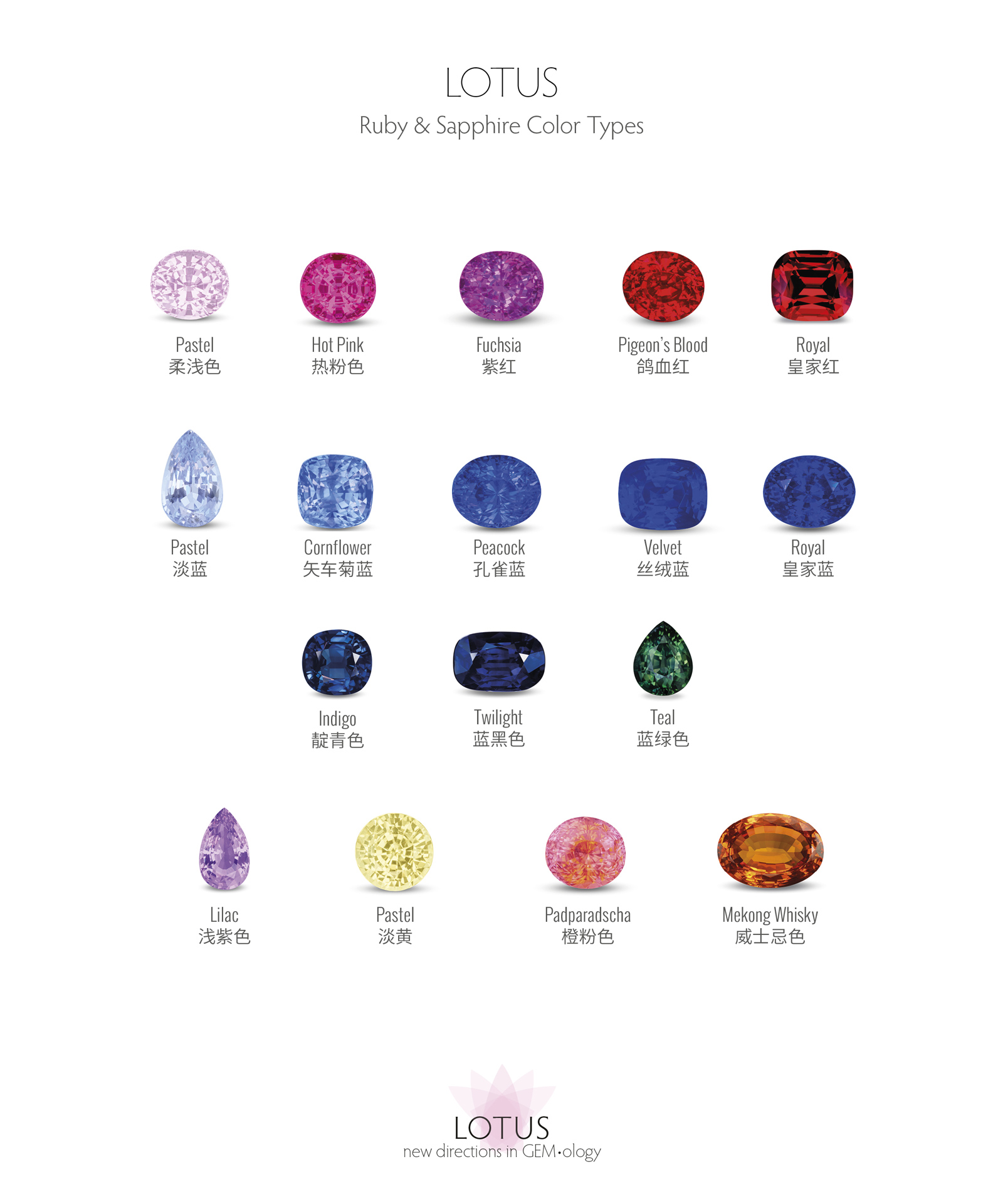
Sapphire Is More Than Blue
Blue Sapphire may be the best-known member of the Sapphire family, but it is only one of many natural colors found in Corundum.
Nature has created Sapphire in an extraordinary spectrum of colors, including: Blue, Pink, Purple, Violet, Yellow, Orange, Green, Teal, White (Colorless), Black, Padparadscha, Parti-Colored Sapphire, and Star Sapphire
Gemologists collectively refer to every sapphire that is not blue as a Fancy Sapphire.
Together, Blue Sapphire and Fancy Sapphire reveal one of the richest color palettes found in any gemstone family.
Blue Sapphire
"The choicest colors of the sapphire are the cornflower and the velvet-blue." - G.F. Kunz, 1887, Precious Stones. Appleton's Physical Geography
Among all sapphire varieties, Blue Sapphire has become the universal symbol of elegance, wisdom, and royalty.
Its beauty is evaluated primarily by three color characteristics:
- Hue
- Tone
- Saturation
The finest Blue Sapphires display a rich, evenly distributed blue with exceptional transparency and brilliance.
Within the gem trade, several descriptive names are used to distinguish particularly beautiful shades of blue.
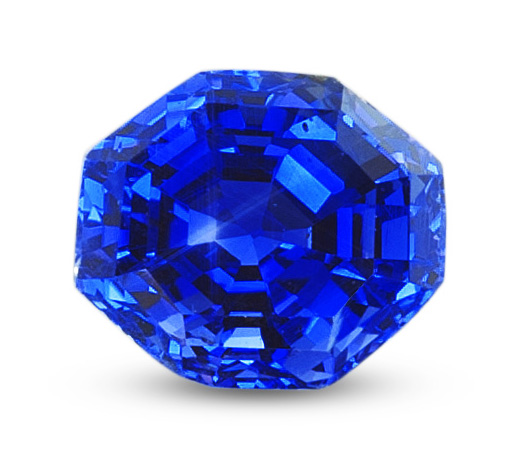
1. Cornflower Blue Sapphire
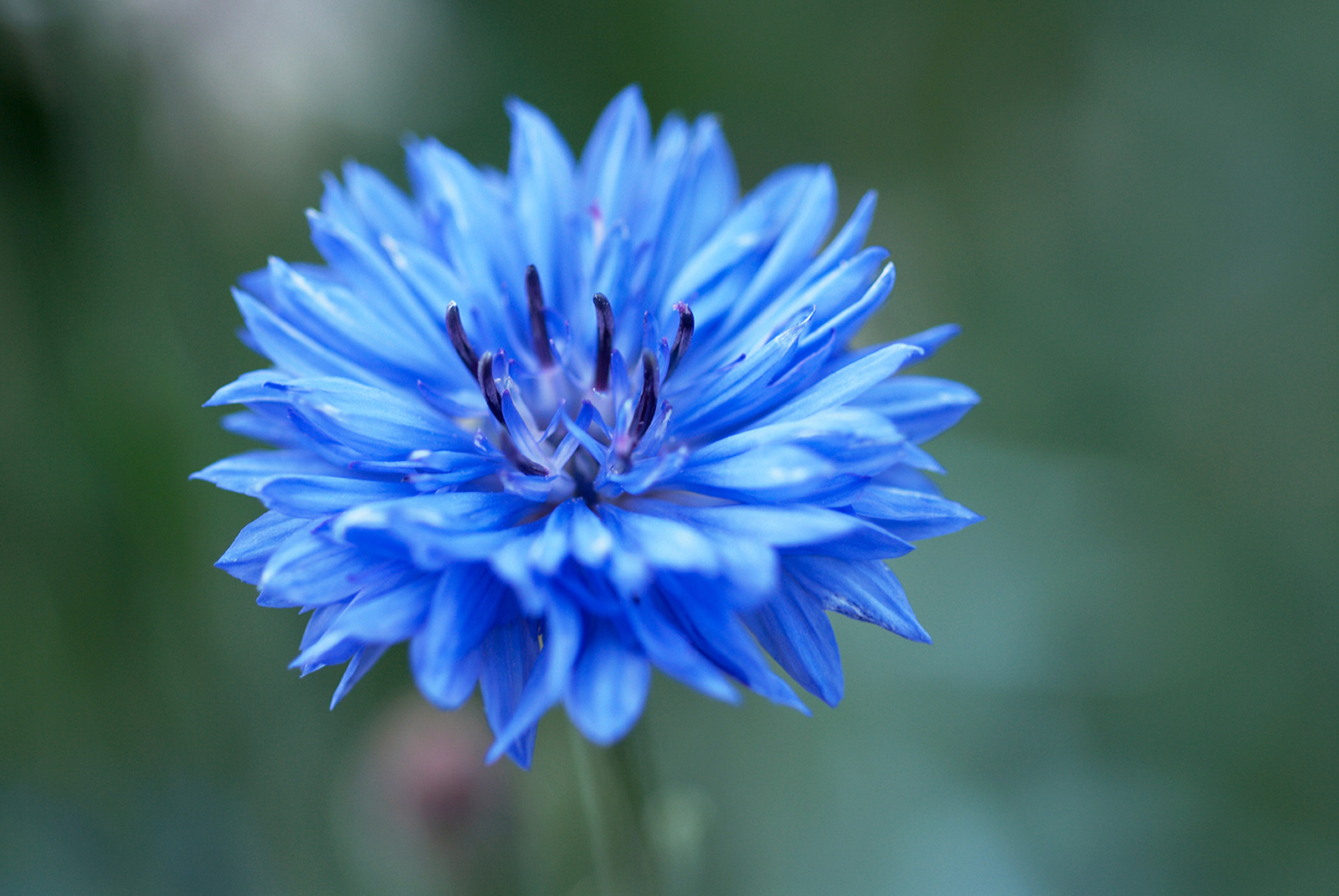
Perhaps the most celebrated blue, Cornflower Blue, is named after the delicate blue petals of the cornflower.
It combines medium tone with vivid saturation, producing a soft yet luminous appearance that has long been associated with exceptional sapphires.
2. Peacock Blue
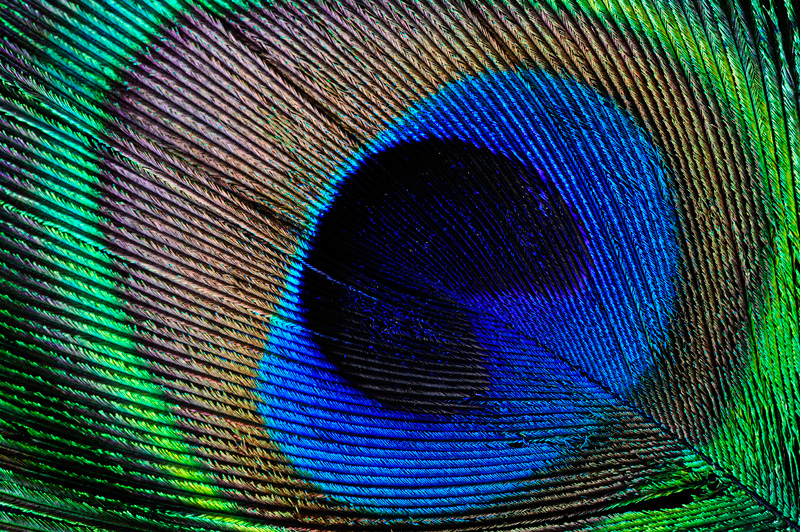
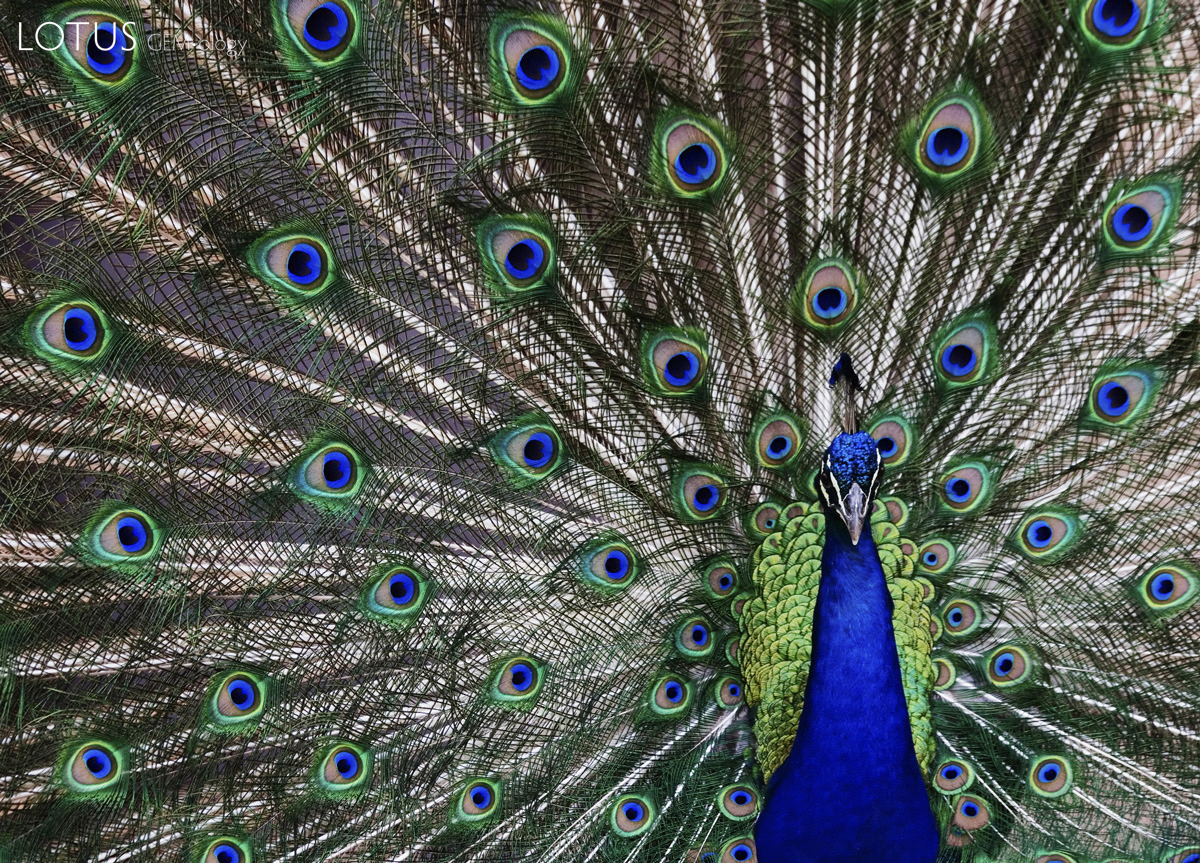
Inspired by the brilliant blue feathers of a peacock's neck, Peacock Blue displays remarkable vibrancy and depth.
This trade term is especially associated with outstanding sapphires from Sri Lanka.
3. Velvet Blue
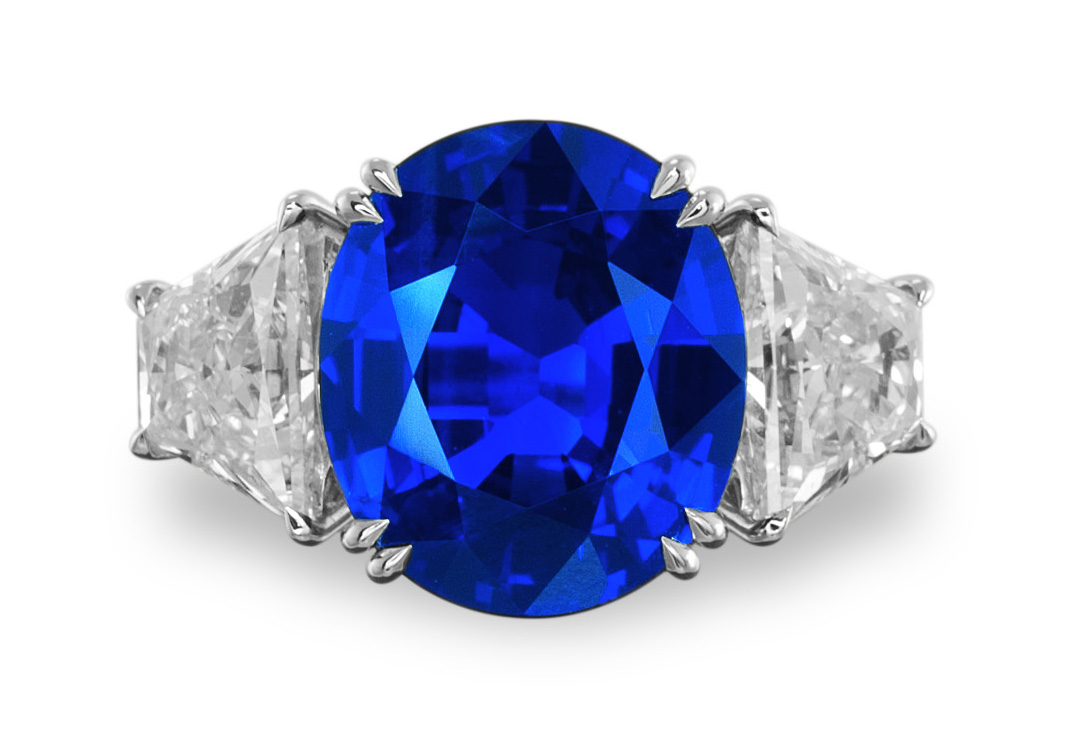
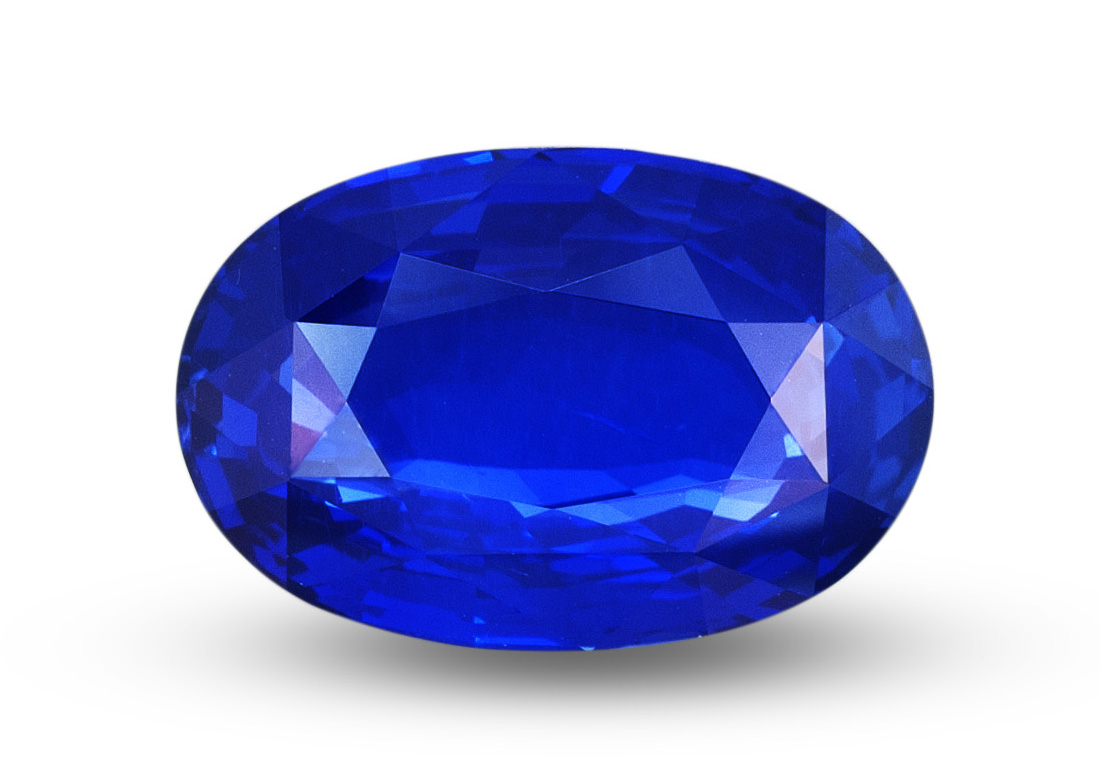
Velvet Blue describes a rich, velvety blue with a soft, almost glowing appearance.
The legendary sapphires of Kashmir (India) are famous for this unique texture, created by microscopic rutile inclusions often called "silk".
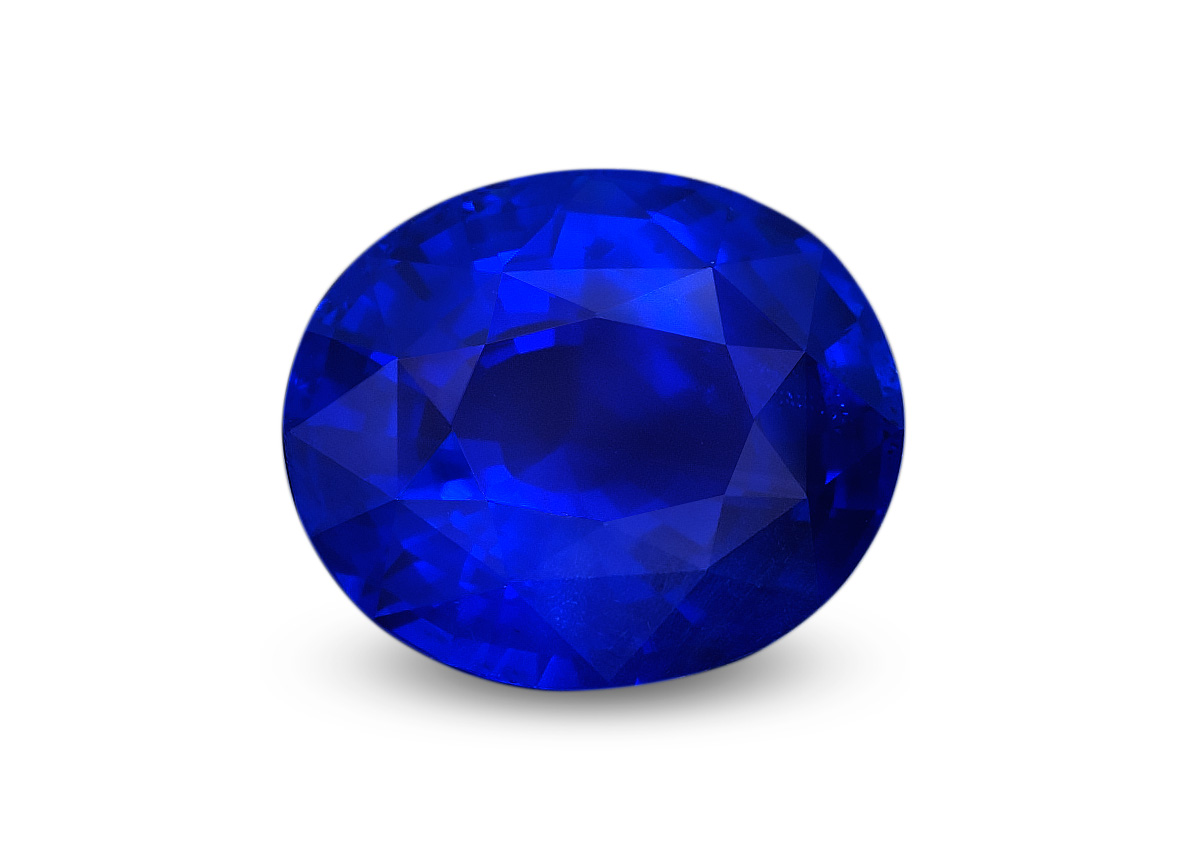
4. Royal Blue
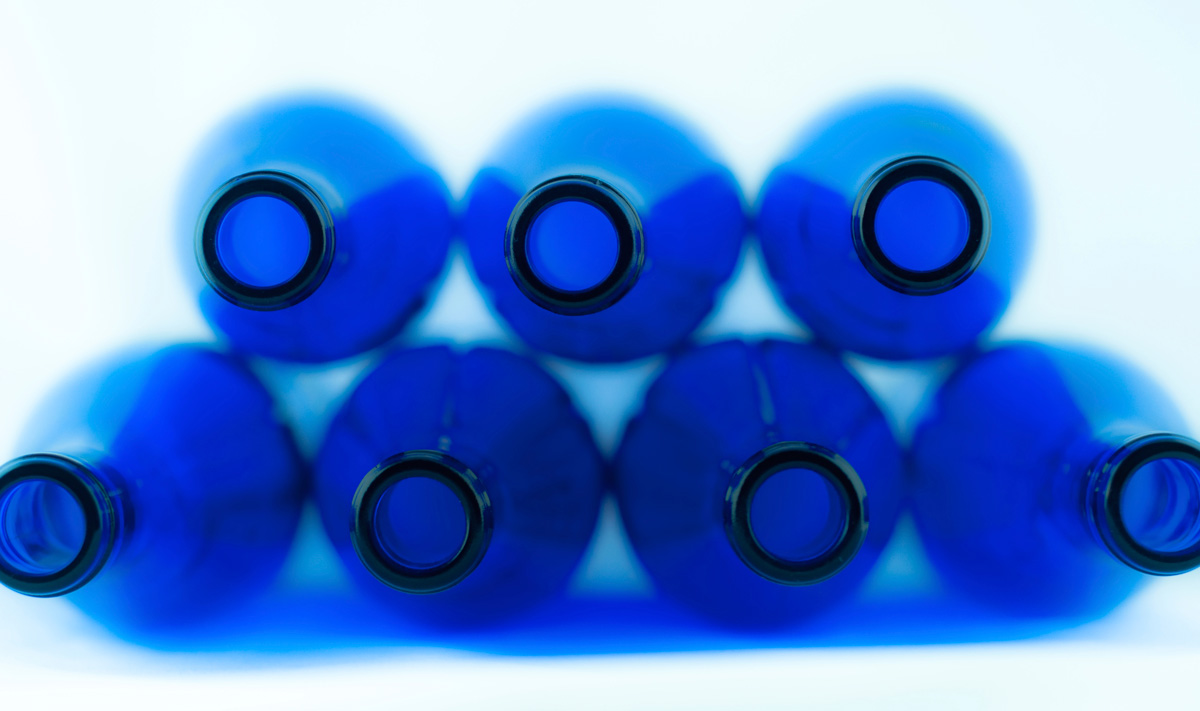
Royal Blue is an intensely saturated deep blue with a subtle violet component. Its exceptional richness makes it one of the most prized sapphire colors in the world. Because of its extraordinary saturation, Royal Blue is also one of the most difficult gemstone colors to reproduce accurately in photography or digital displays. Mining from the Mogok Stone Tract in Myanmar, Madagascar, the Tunduru mine in Tanzania, and sometimes in Pailin in Cambodia, or Nigeria.
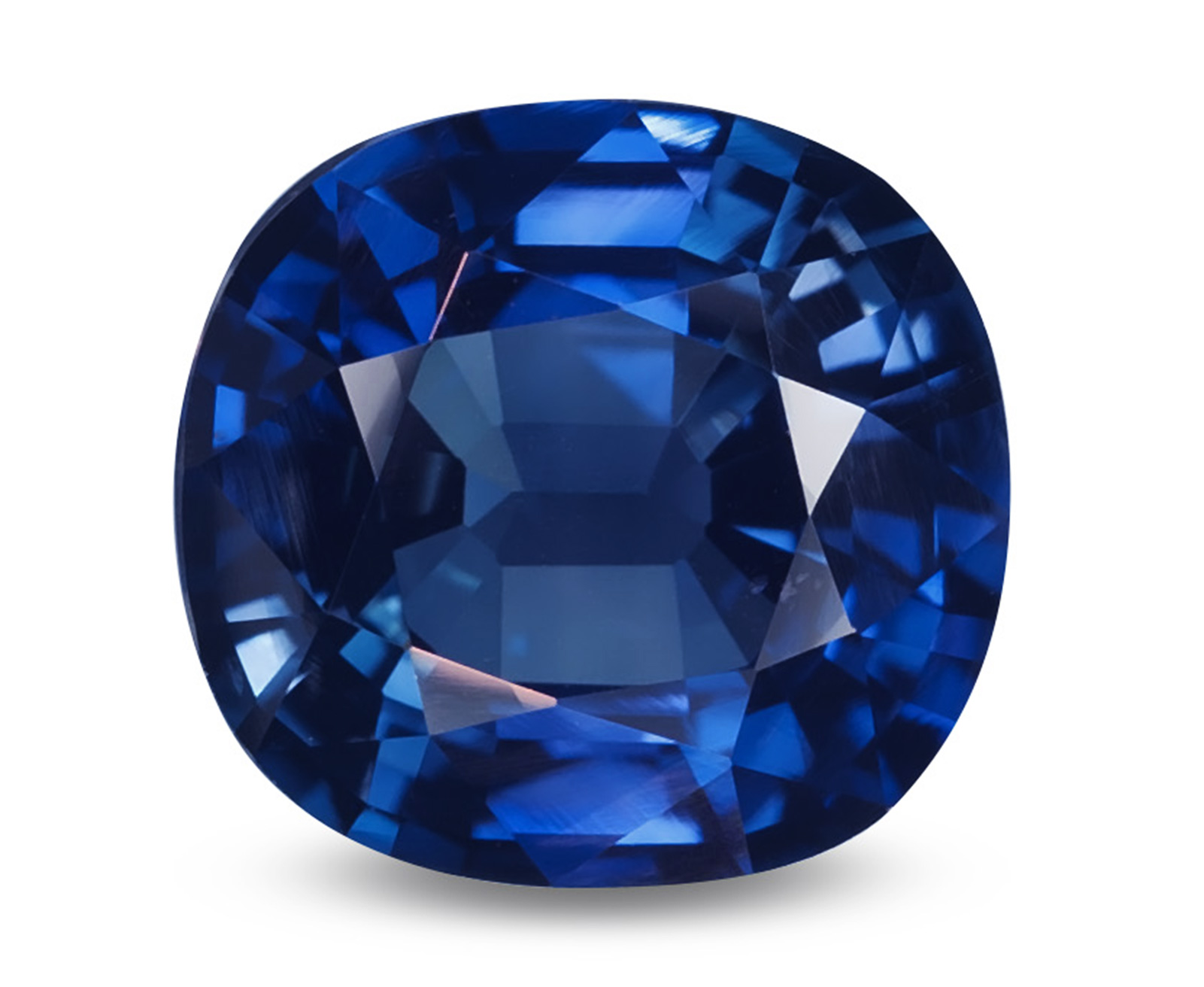
5. Indigo Blue
Indigo Blue resembles the traditional indigo dye that has been used for centuries. Compared with Royal Blue, it is slightly darker and more subdued while retaining impressive depth. This gemstone was mined in Thailand, Madagascar, Australia, China, and Nigeria.
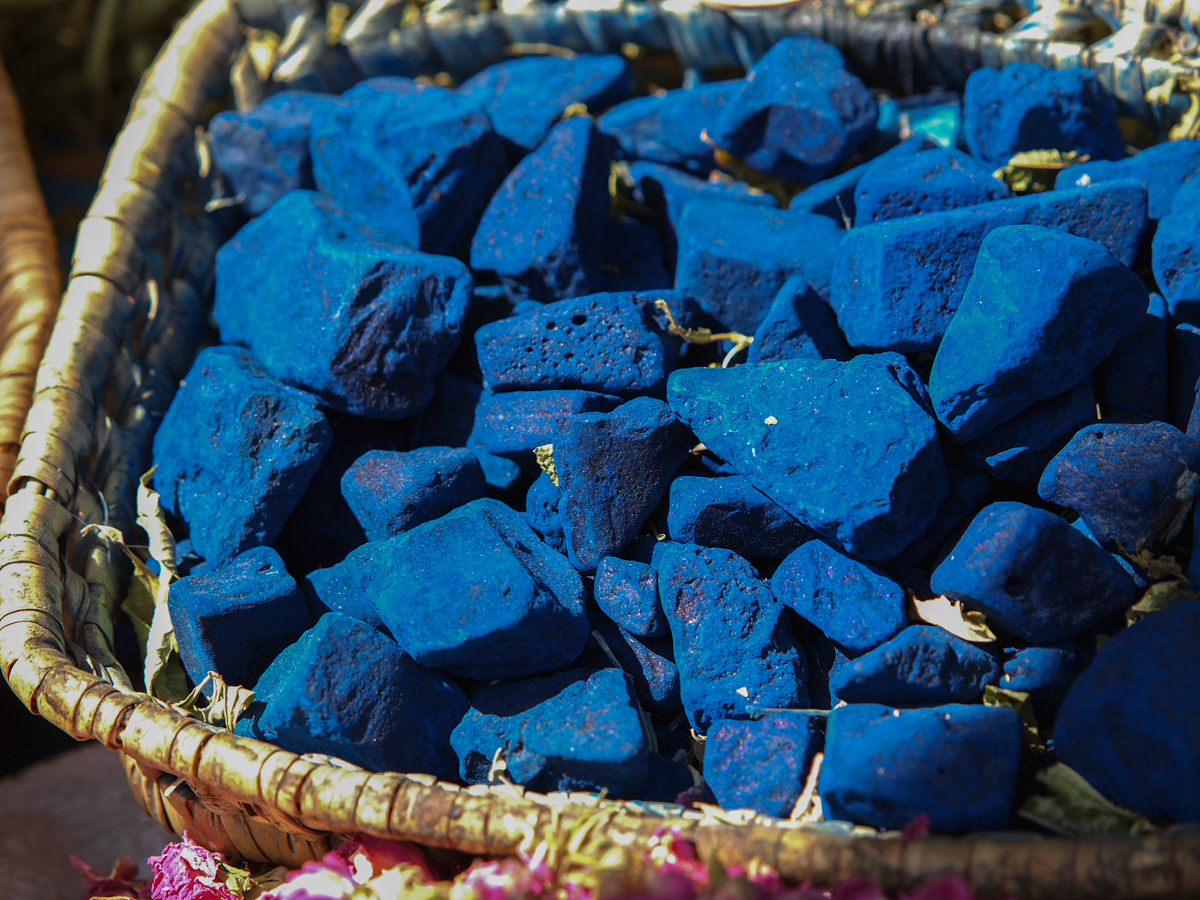
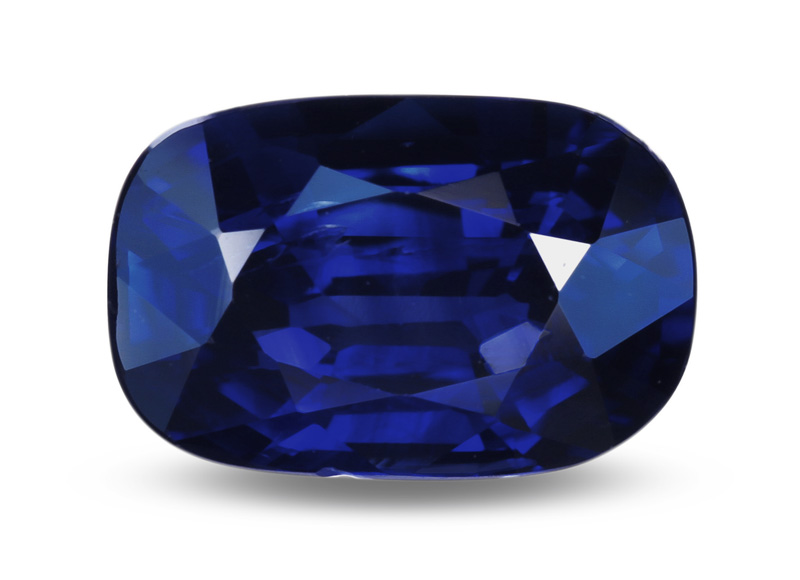
6. Twilight Blue
Twilight Blue evokes the deep blue sky just after sunset. Its mysterious, calming appearance gives these sapphires a distinctive character appreciated by many collectors. Blue gemstones were mined from Australia, Thailand, Cambodia, Nigeria, China, and Vietnam.
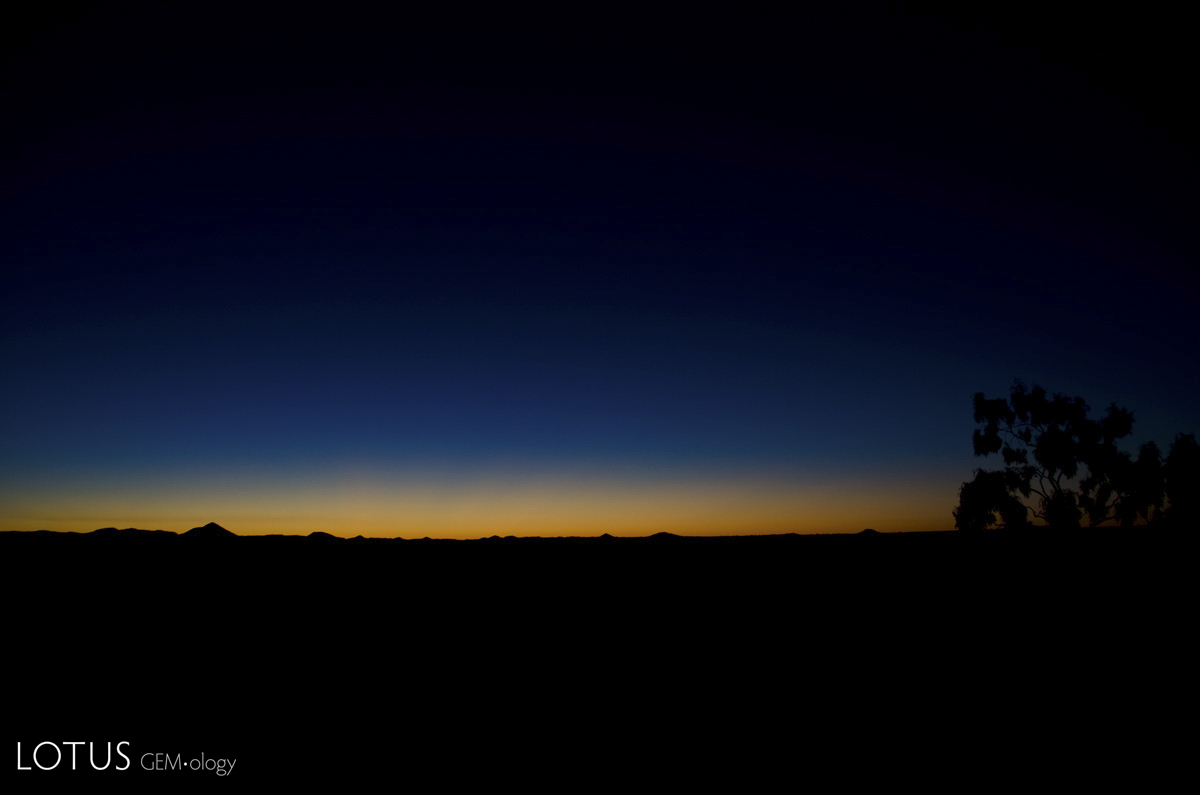
Twilight at Australia's Queensland sapphire mines near Rubyvale. Photo: Richard W. Hughes
Fancy Sapphire
If Blue Sapphire is the icon of the Sapphire family, Fancy Sapphire reveals nature's remarkable creativity. Fancy Sapphire includes every sapphire color except blue and red. Each color results from different trace elements and geological conditions during crystal growth, making every variety unique.
1. Pink Sapphire
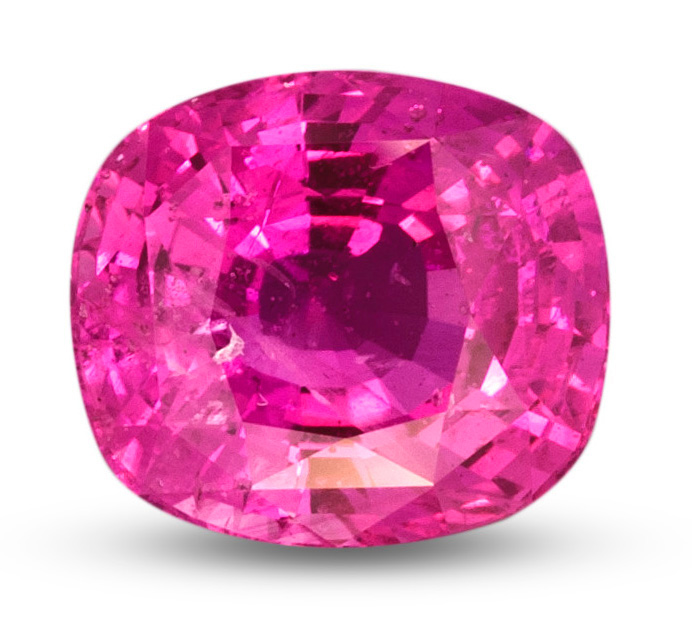
Pink Sapphire ranges from delicate pastel pink to vivid hot pink. Depending on local gemological traditions and market conventions, the boundary between deep pink Sapphire and Ruby has historically varied. Today, laboratories evaluate these stones according to internationally accepted color standards.
Hot Pink Sapphires were mined in the Himalaya (Tajikistan, Afghanistan, Pakistan, Nepal, Burma, Vietnam, Yunnan (China), and East Africa (Mozambique, Tanzania).
2. Purple and Violet Sapphire
Purple Sapphire displays purple as its dominant hue, ranging from reddish purple to bluish violet. These elegant colors have become increasingly popular among collectors seeking an alternative to traditional blue.
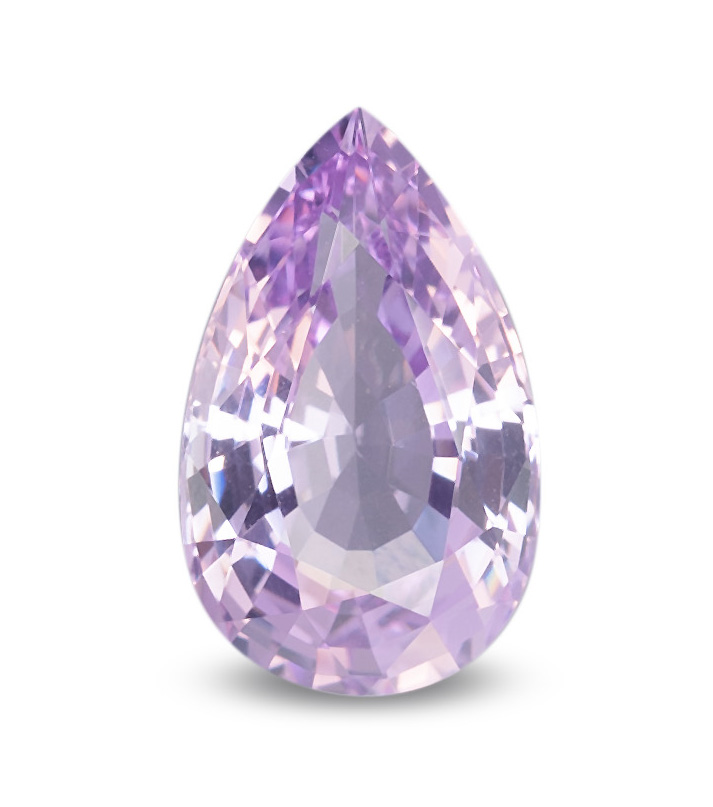
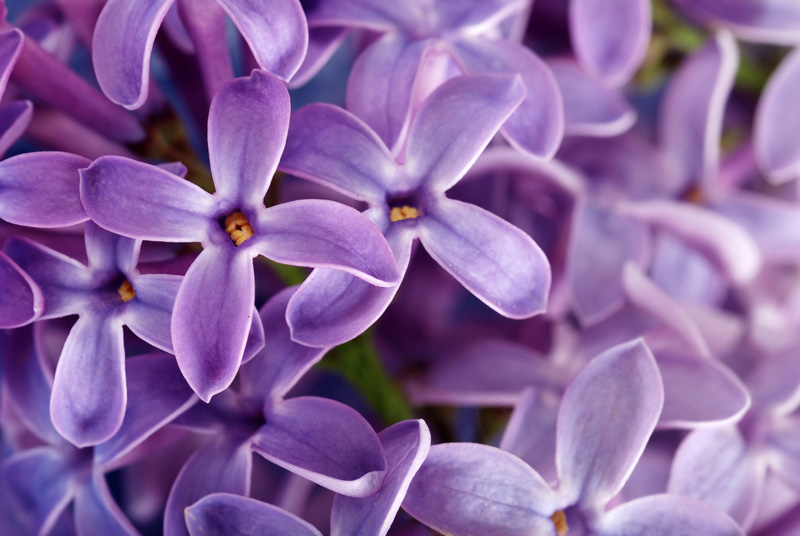
Lilac Flower
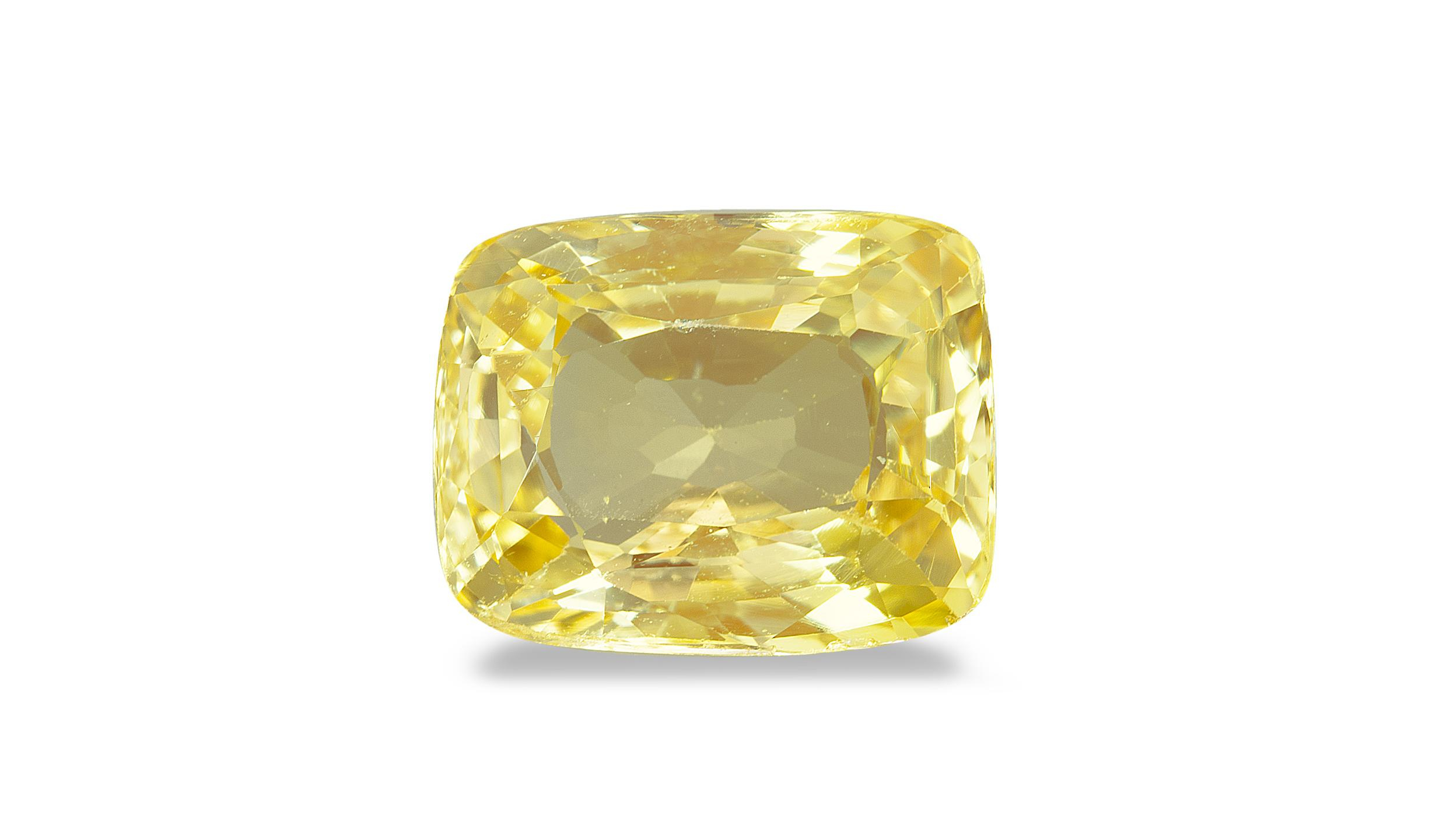
3. Yellow Sapphire
Yellow Sapphire ranges from pale lemon yellow to vivid golden yellow. The finest examples exhibit bright, lively color with excellent transparency.
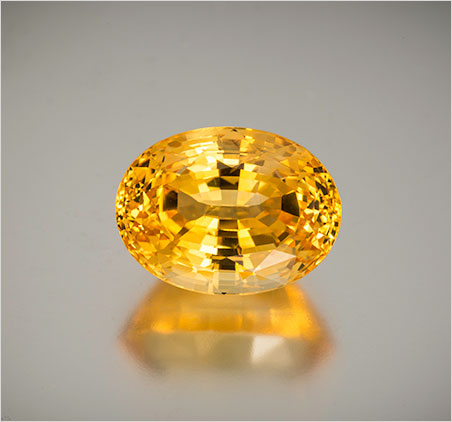
4. Orange Sapphire
Orange Sapphire displays colors ranging from golden orange to rich reddish orange. Pure orange sapphires are relatively uncommon in nature.
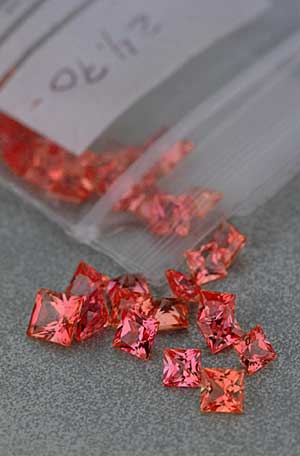
5. Padparadscha Sapphire
Among all Fancy Sapphires, none is more legendary than Padparadscha. Its name comes from the Sanskrit word describing the color of the lotus blossom. Rather than being simply pink or orange, Padparadscha displays a delicate balance of both colors, often compared to a lotus flower illuminated by a Sri Lankan sunset. Because of its rarity and unique beauty, Padparadscha is considered one of the world's most valuable Fancy Sapphires.
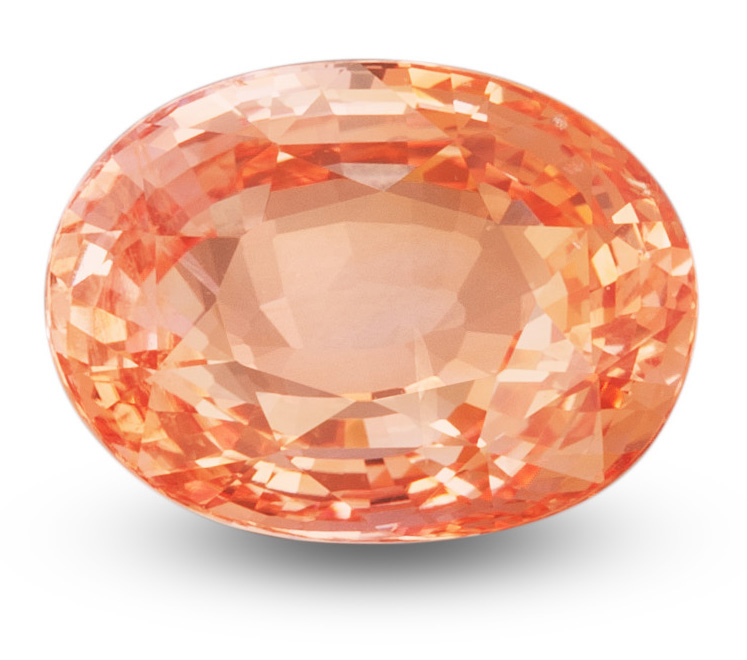
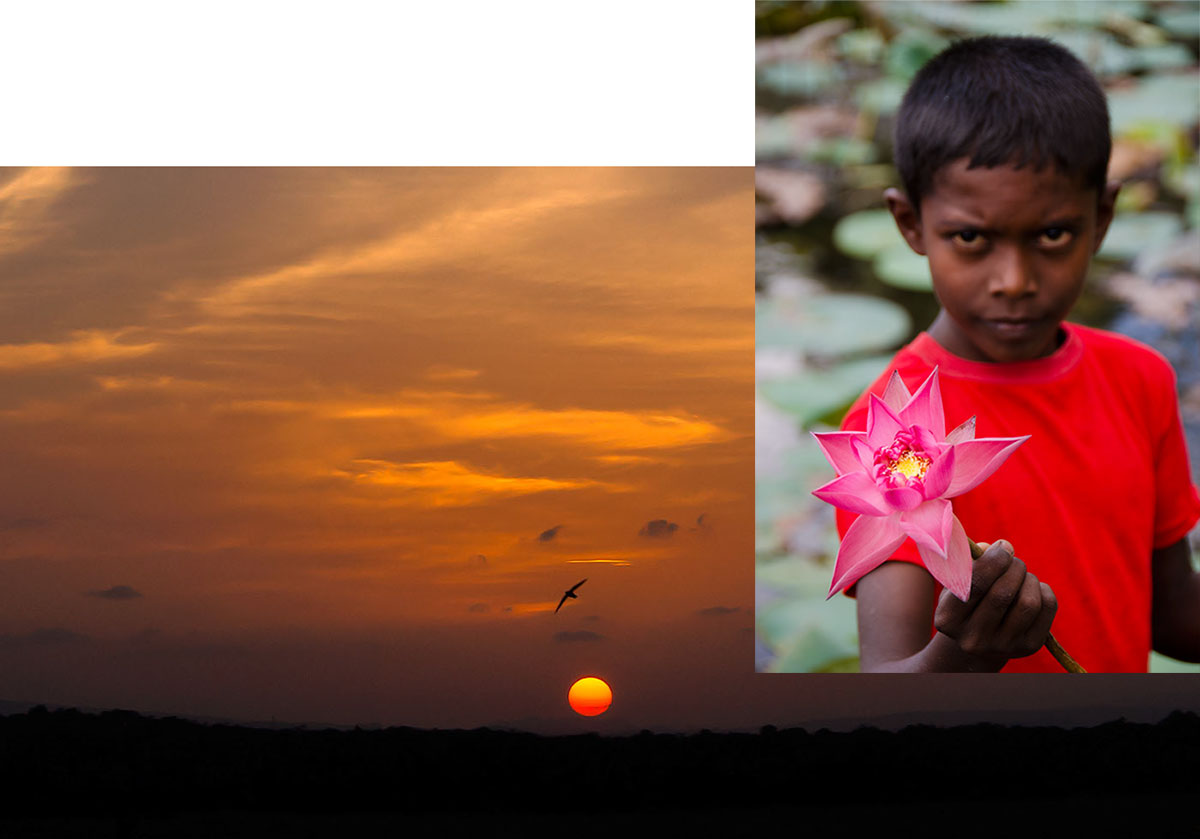
The ideal color of a padparadscha has been described by some as the marriage between a lotus flower and a sunset, each shown above in Sri Lanka. Photos © Wimon Manorotkul (left) and Richard W. Hughes (right).

The padparadscha sapphire displays colors similar to this Sri Lankan sunset. Photo: Wimon Manorotkul.
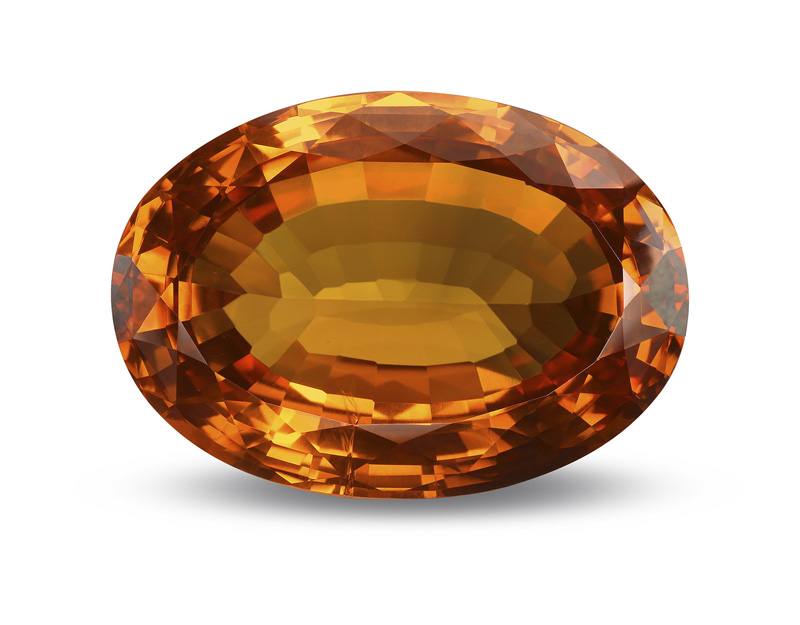
6. Mekong Whisky Sapphire
Mekong Whisky Yellow Sapphire resembles the color of whisky, is in high demand in the Thai market, and is named after the Mekong River in the region. These gemstones primarily originate from Chanthaburi, Thailand. Gemstones of a similar color that have undergone heat treatment come from Sri Lanka.

7. Pastel Sapphire
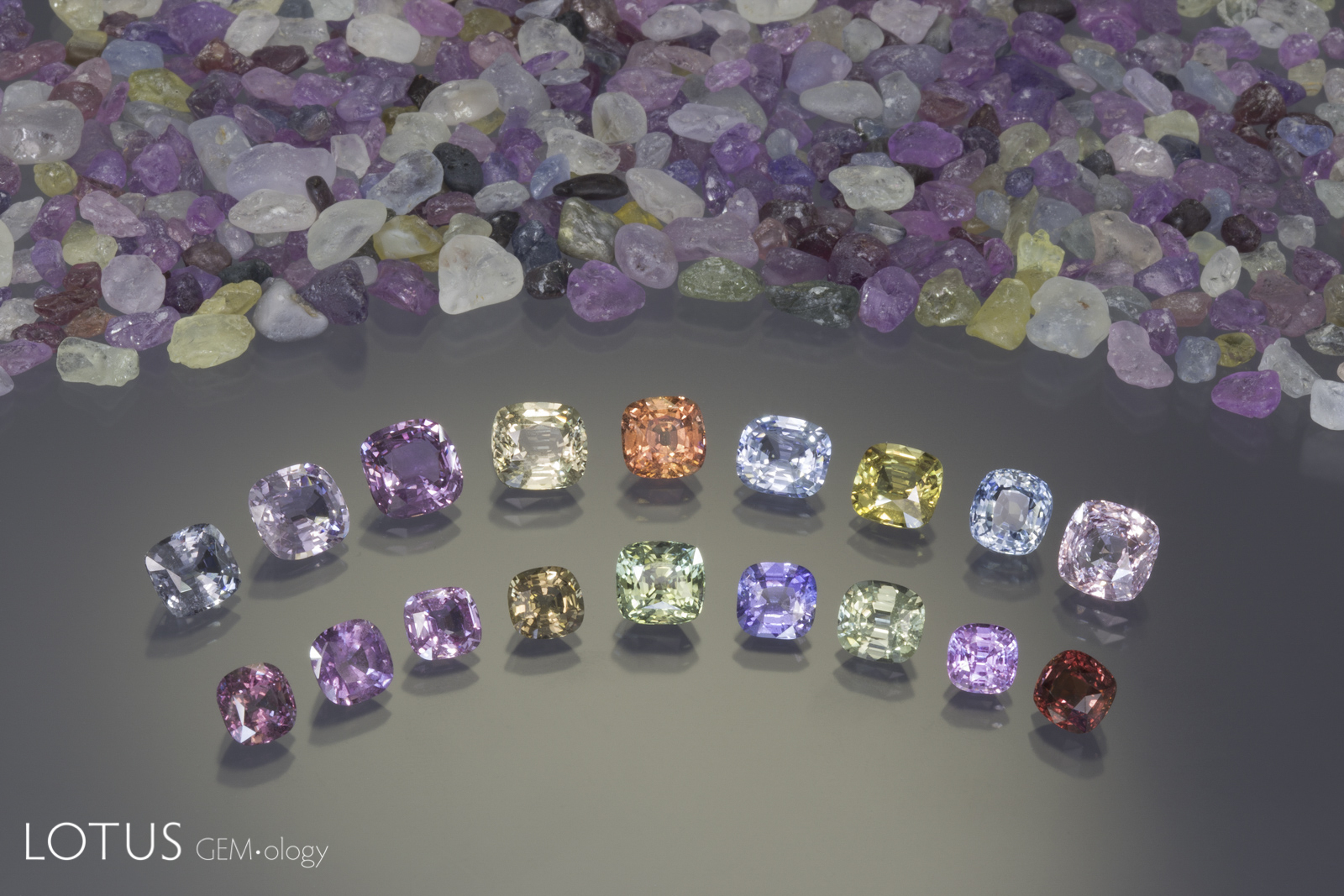
Pastel Sapphires feature a high level of saturation paired with a soft, delicate pastel color zoning. Pastel Blue Sapphires are actively mined in Sri Lanka, Burma, Kashmir, Madagascar, Tanzania, and Montana (USA).
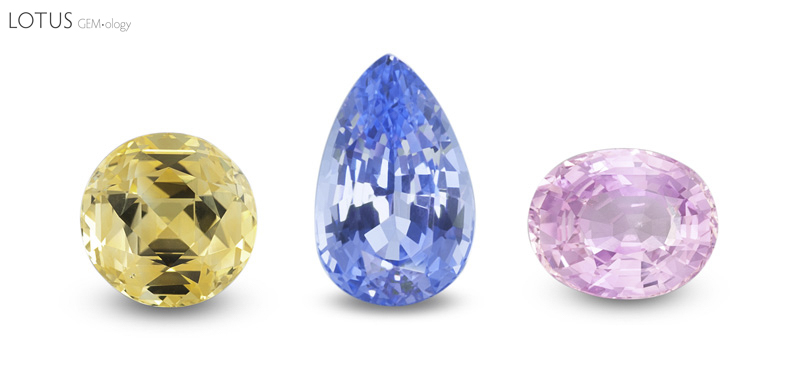

The pastel color range
8. Green and Teal Sapphire
Green Sapphire ranges from soft green to rich forest green. Teal Sapphire combines blue and green in varying proportions, creating one of the most distinctive modern sapphire colors. In recent years, Teal Sapphire has become especially popular among jewelry designers because every stone displays its own unique color balance.
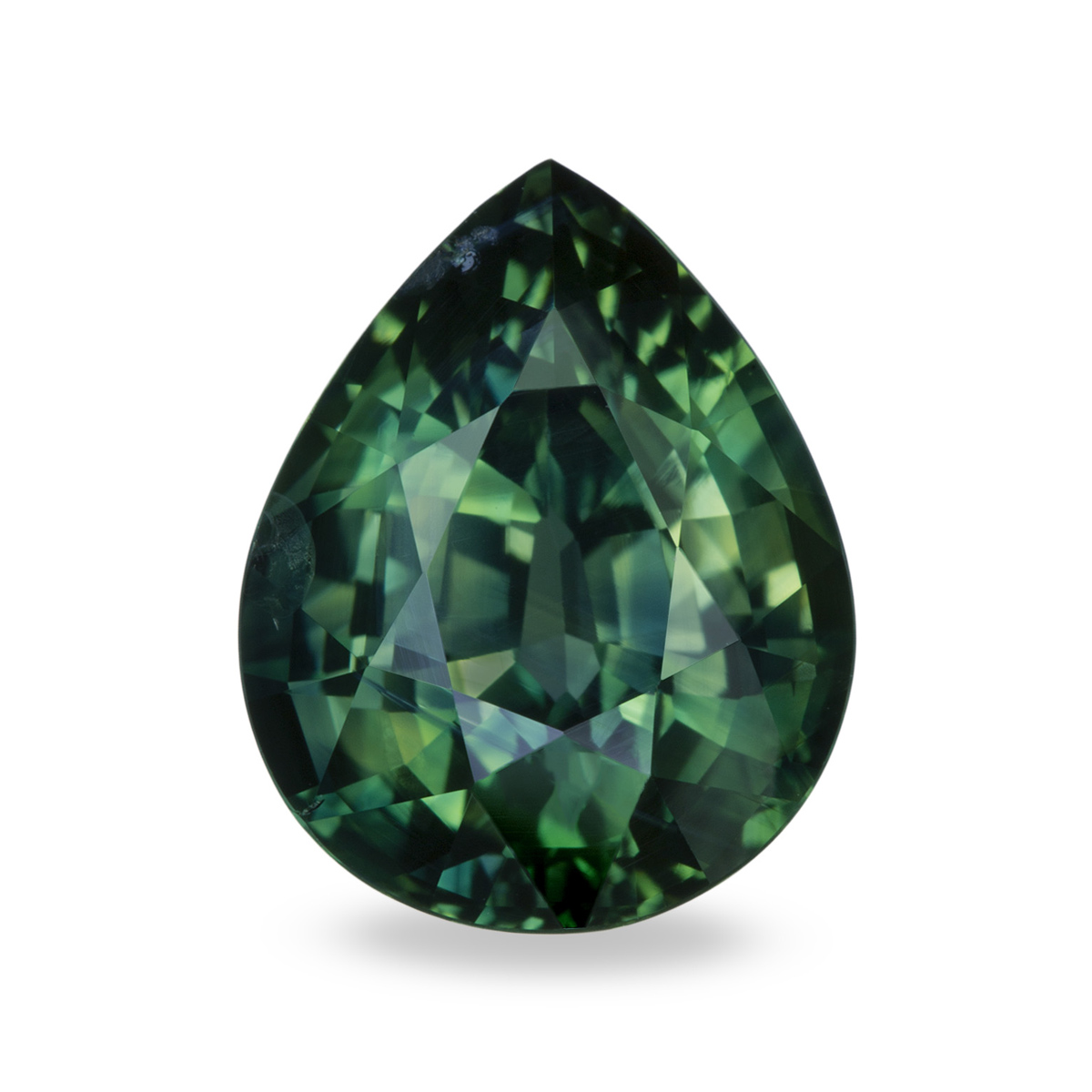
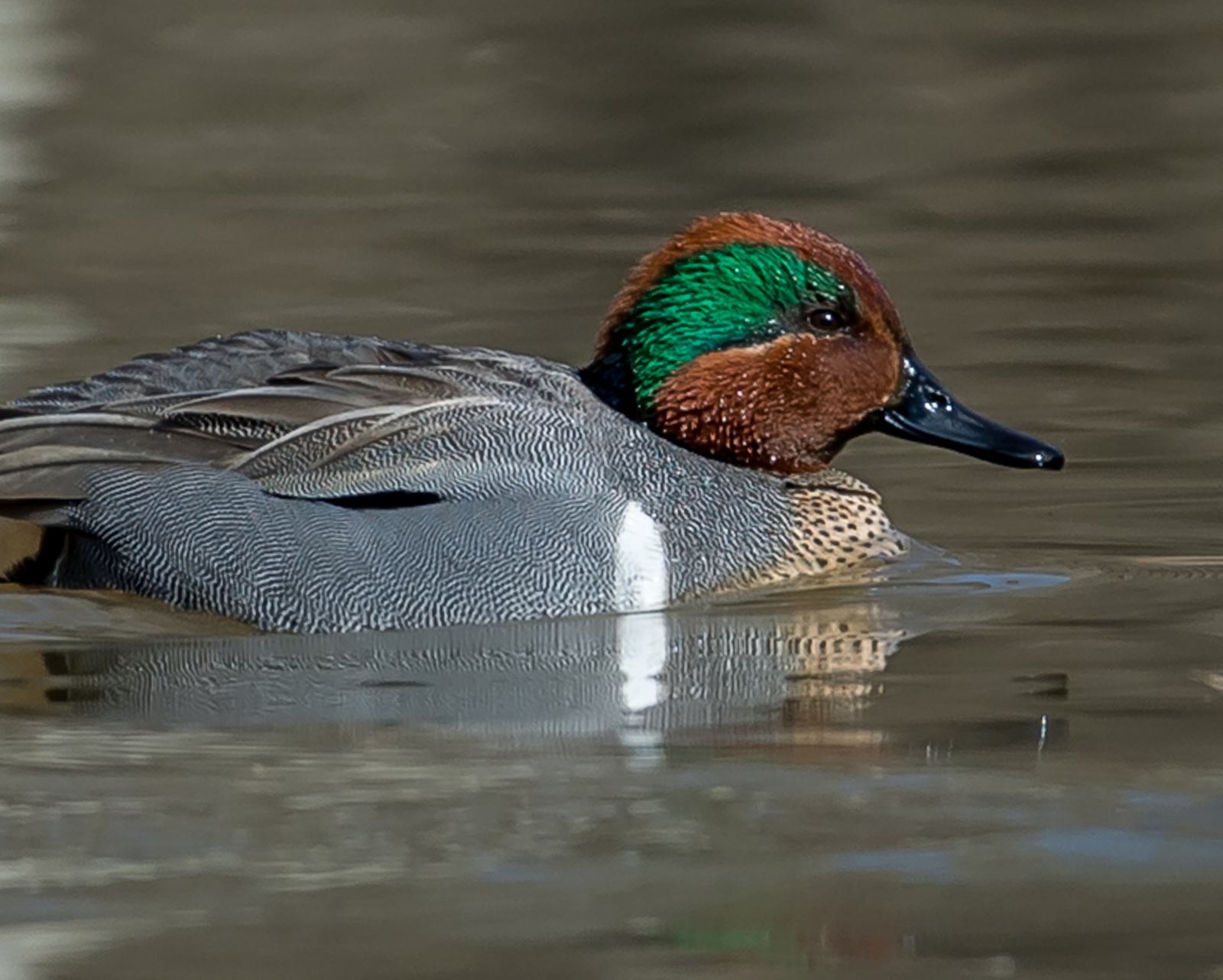
The vibrant blue-green feathers around the eye of the teal duck are the origin of the teal color.
9. Parti-Colored Sapphire
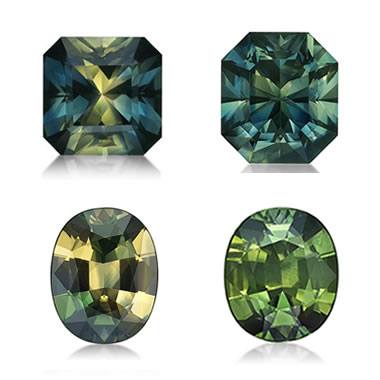
Unlike most gemstones, Parti-Colored Sapphire naturally displays two or more distinct colors within a single crystal. Each gemstone is unique, making every Parti Sapphire a one-of-a-kind work of nature.
10. Colorless Sapphire
Pure Corundum is naturally colorless. These rare stones are known as White or Colorless Sapphire and offer remarkable brilliance without added color.

11. Blue Star Sapphire
Some sapphires contain microscopic rutile needles that reflect light into a six-rayed star, a phenomenon known as asterism. When properly cut as cabochons, these gemstones display one of nature's most fascinating optical effects. These gemstones were mined from Mogok and Sri Lanka

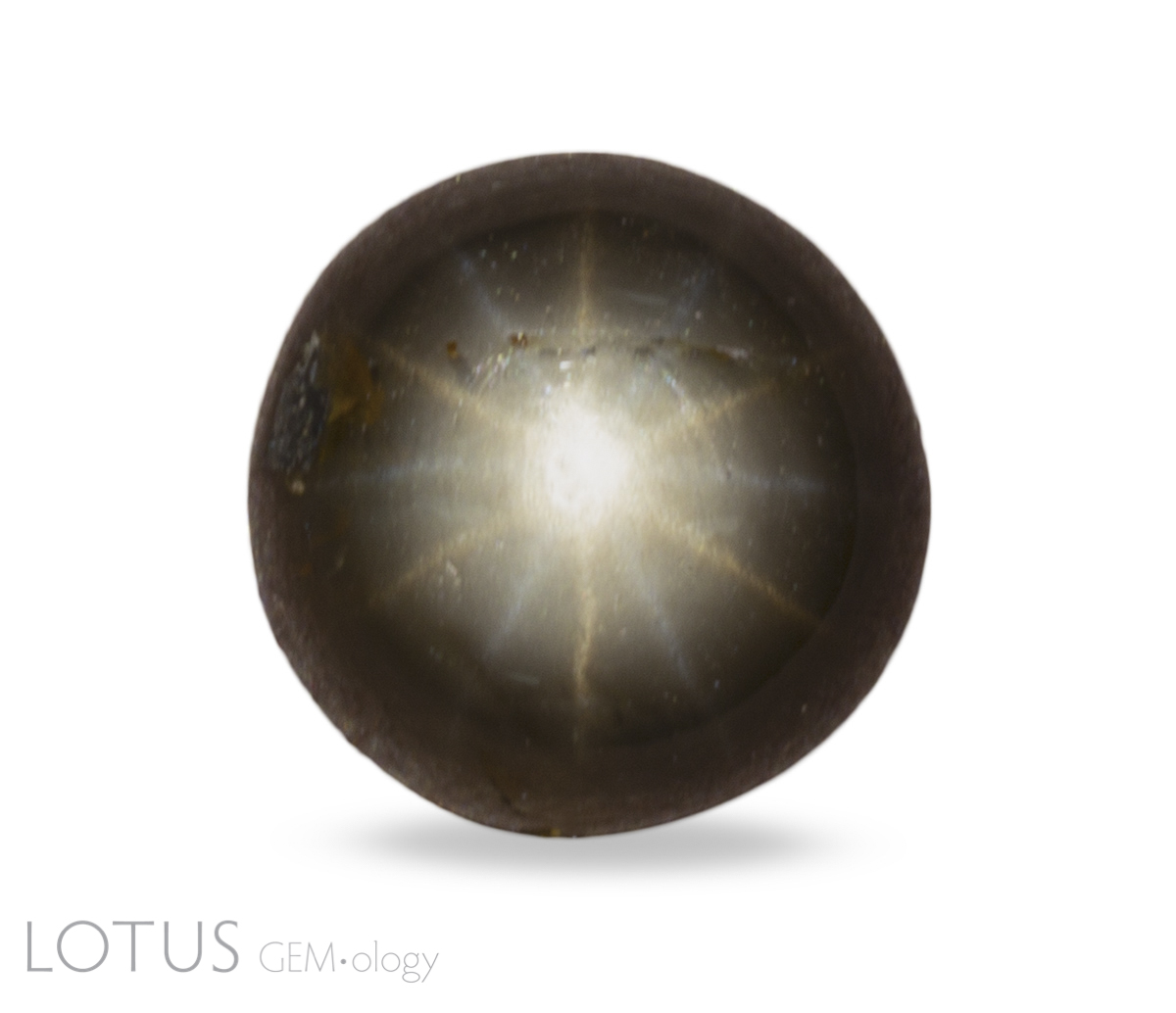
12. Black Star Sapphire
Black Star Sapphires primarily originate from mines in Kenya, Australia, and Thailand. Unlike other varieties of Star Sapphire and Ruby, the silk inclusions in these stones typically result from the exsolution of ilmenite and/or hematite.
A World Beyond Blue
Blue Sapphire has deservedly earned its place as one of history's most celebrated gemstones.
Yet Blue Sapphire represents only one chapter in the remarkable story of Corundum.
From the delicate elegance of Pink Sapphire to the fiery glow of Orange Sapphire, from the extraordinary rarity of Padparadscha to the mesmerizing beauty of Star Sapphire, the Sapphire family offers one of the most diverse natural color ranges found in the gemstone world.
Understanding that Corundum consists of only two gem varieties—Ruby and Sapphire—and that Sapphire includes every color except red changes the way we see these remarkable gems.
The next time you hear the word Sapphire, think beyond blue.
Think of an entire world of color created by nature.
Sources:
Comments on this post (2)
Sapphires’ vibrant colors and unique traits make them captivating gems. Great insights on their hues and natural vs. lab-created varieties! For more information, do visit:- https://navratan.us/
— Nidhi Soni
Amazing Blog !!!
Also Visit :- https://www.navratan.com/categories/gemstones
— Aftab Ahmed